

Supporting people.So that art can shine.
Psychological expertise for the people on stage, backstage and beyond. From the first concept through rehearsals and performances to aftercare. An independent trusted contact is part of our Mental Health Coordination.
Throughout Germany · on site and online
Art can be intense.
People need a secure foundation.
Theatre, opera and dance bring together emotional role work, physical demands and tight schedules. Hierarchies and different professional realities add to the complexity. Psychological safety provides a framework in which people can work with this intensity professionally and creatively.
Artistic intensity
Supporting emotional work, exposure and the demands of a role.
Time & performance pressure
Recognising strain and making room for resources and recovery.
Closeness, boundaries & power
Clarifying responsibilities and making boundaries discussable.
Working together
Connecting performers, technical teams and leadership.
A closer look at working conditions.
The figures come from different surveys and cannot be compared directly.
Abuse of power & sexual harassment
report having experienced sexual harassment
of reported incidents occurred at the regular workplace
report psychological and/or physical abuse of power
report psychological abuse of power at the time of the survey
Sources: German Federal Government/BKM (2020); Thomas Schmidt (2019).
Sources: German Federal Government/BKM (2020), “Sexuelle Belästigung und Gewalt in der Kultur- und Medienbranche”, interim report; Thomas Schmidt (2019), “Macht und Struktur im Theater: Asymmetrien der Macht”. The first two figures concern culture and media; the latter two concern theatre.
Mental health among performers
of ballet dancers report sleep problems
of actors report anxiety
of actors have used alcohol as a coping strategy
of musicians report symptoms of depression
of actors report symptoms of depression
of dancers report symptoms of depression
Sources: Equity Mental Health Report (2022); Junge & Hauschild (2024); Actors’ Wellbeing Study (2015).
Sources: Equity Mental Health Report (2022), Junge & Hauschild (2024), Actors’ Wellbeing Study (2015). The brochure does not map each percentage clearly to its primary source. These are therefore presented as figures from the brochure, not as independently verified prevalence estimates for an entire profession. Symptoms are not equivalent to clinical diagnoses.

A person to turn to.
Throughout the creative process.
A Mental Health Coordinator (MHC) is a specialist in mental health within artistic working environments. DramaCare brings together expertise in psychology, psychotherapy, trauma work and crisis intervention with an understanding of the performing arts.
An MHC provides ongoing or project-based support through confidential one-to-one conversations, reflective supervision, peer consultation and opportunities to reflect. They recognise patterns of strain and help identify appropriate next steps. Their work starts early, considers organisational structures and is accessible to people at every level. As an independent trusted contact, the MHC works outside internal reporting hierarchies. Contact arrangements and availability are agreed for each engagement. The trusted-contact function is part of Mental Health Coordination. MHC does not replace psychotherapy.
A trusted contact in theatre.
Behind the curtain, too.
Independent. Confidential. Professionally supported.
As part of Mental Health Coordination, DramaCare provides an independent, confidential point of contact for performers, creative teams, technical staff, administration and leaders. Whether the concern is personal strain, tension at work or a boundary violation, there is space to talk, make sense of the situation and consider next steps.
Trust makes it easier to speak.
Expertise helps identify next steps.
A chance to talk and reflect. A conversation does not automatically become a formal complaint. Contact arrangements, availability and the limits of confidentiality are agreed transparently before support begins.
Strain, uncertainty and tension can be raised before they become entrenched. Together, we consider the concern and the support the person needs.
Depending on the concern, next steps may include guidance, preparing for a conversation, stabilisation, safeguarding measures or referral to further professional support. The person concerned is involved in exploring these options.
At DramaCare, the Mental Health Coordinator fulfils the trusted-contact function. Prevention, rehearsal and performance support, leadership support and aftercare can be connected to it within the agreed scope.
In cases of bullying, discrimination, sexual harassment or other boundary violations, safeguarding and guidance take priority. These concerns are not automatically treated as a conflict between equal parties. Confidential support, separately agreed conflict mediation and formal complaints procedures are distinct processes. Formal investigation is not automatically part of the trusted-contact function.
Every phase has
its own needs.
Choose a phase. Explore the support that fits your organisation.
A strong foundation for mental health.
Confidential conversations, questionnaires and reflective formats help identify pressures, resources and needs.
Developing clear guidelines, communication channels and crisis protocols together.
Considering sensitive content and potential pressures early with directors, dramaturgs and performers.
Defining responsibilities, contact people and appropriate measures for the specific production.
Discussing expectations, boundaries and useful ways of working together at the start.
Supporting leaders with role clarity, communication and responsibility.
Planning age-appropriate processes and clear reporting channels from the outset.
Psychological safety throughout the creative process.
An independent contact on site, regularly or for a specific project, available to every level.
Making sense of difficult experiences, drawing on resources and reflecting on professional roles.
Making tensions discussable and facilitating constructive conversations.
Assessing emotionally demanding scenes and developing appropriate advisories for participants and audiences.
Integrating breaks, resets and deliberate transitions from a role back to everyday life.
Coordinating psychological support with specialist intimacy coordinators for intimate scenes.
Taking the different demands on professional groups into account throughout support and consultation.
Stability when intensity meets performance.
A confidential point of contact for strain, guidance and personal conversations.
Recognising early signs of strain and identifying suitable ways to reduce pressure.
Providing psychological support during acute overwhelm or distressing events and clarifying next steps.
Facilitating conversations and supporting people affected by boundary violations.
Supporting leaders with perspective, communication and reflection in difficult situations.
Confidential psychological support with contact arrangements and availability agreed in advance.
Support beyond opening night.
Reflecting on experiences and making room for feedback on both individual and organisational issues.
Which measures helped? What needs adjusting? Drawing conclusions together.
Reflecting on difficult situations and professional roles in a supportive setting.
Carrying insights into rehearsal schedules, guidelines and future productions.
Developing training programmes, regular reflective spaces and trained in-house contacts.

When art explores
difficult territory.
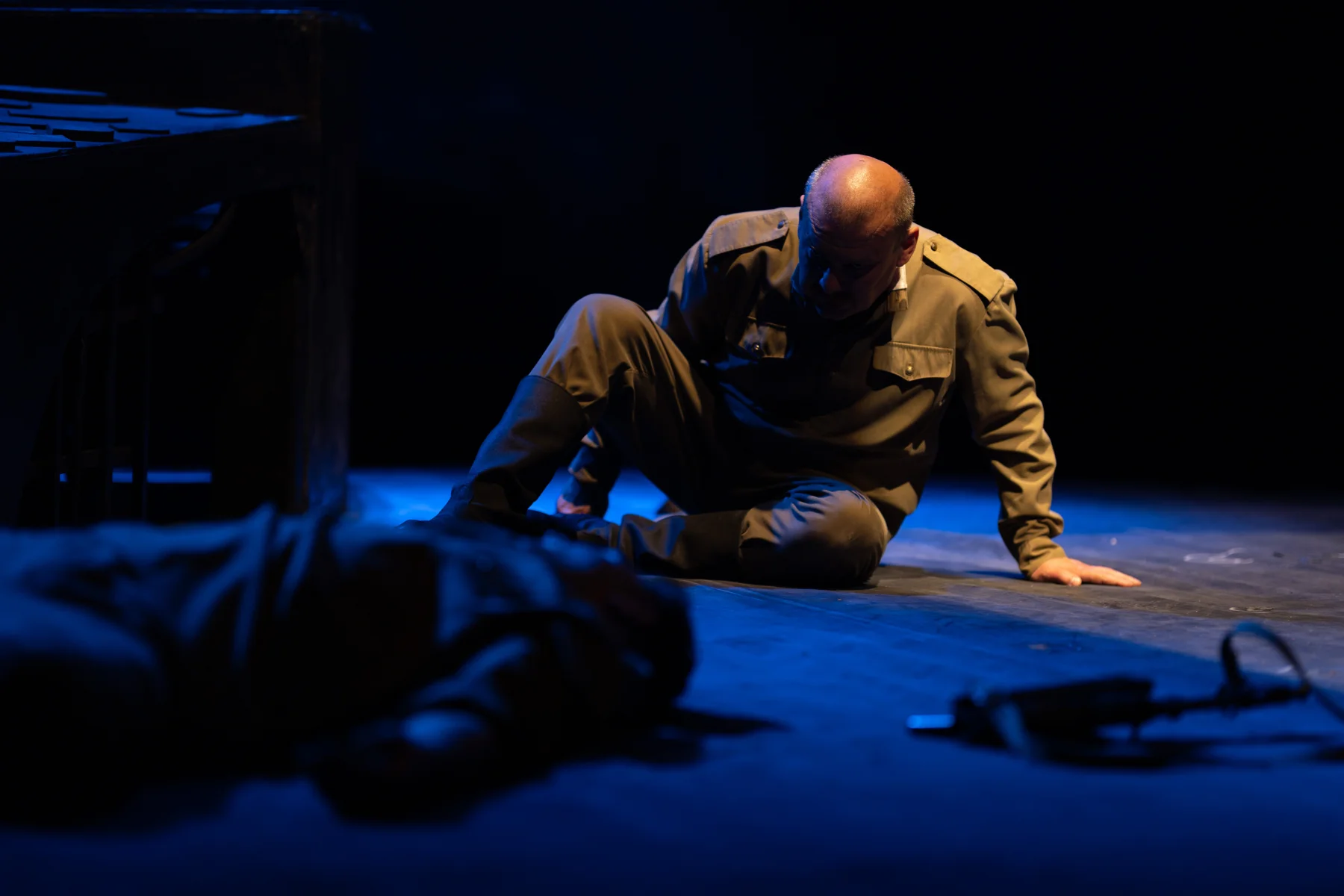
Intense roles can resonate personally. Portraying violence, loss or despair calls for space for artistic experience and personal boundaries, even when the same story is performed night after night.
DramaCare supports actors and other performers through preparation, clear agreements, deliberate breaks and de-roling, with attention to the person behind the role. Artistic decisions remain with the creative team.
Together with directors, dramaturgs and performers, we explore potential strain arising from sensitive content, violence or portrayals of mental illness.
Advisories, breaks after difficult scenes, resets and supported reflection help teams work with demanding material.
For intimate scenes, we collaborate with trained intimacy coordinators. They can be booked through DramaCare separately or alongside Mental Health Coordination.
Safeguarding without censorship.
Before the scene
Discuss sensitive material, clarify personal boundaries and agree on support.
During performance
Notice strain, make feedback possible and approach closeness, touch and emotional intensity with awareness.
After the applause
Reflect on experiences, create distance from the role and support the transition to everyday life through de-roling and individual guidance.
When it matters:
a considered response.
Crisis intervention
Providing psychological support during personal crises, acute overwhelm or distressing events and identifying appropriate help.
Conflict mediation
Understanding tensions, facilitating de-escalation and supporting constructive communication.
Psychological boundary violations
Supporting affected people and working with awareness teams and intimacy coordinators on prevention, reporting and support structures.
Stabilisation
Providing orientation, helping people draw on their resources and referring to further support where needed.
A conversation can be the first step.
The Mental Support Hotline offers performers, staff and leaders a confidential space to discuss stress, difficult scenes, conflict or anything they need to talk through.
Contact arrangements and availability are agreed in advance. This is not a 24/7 or emergency service.
Young talent.
Clear responsibility.
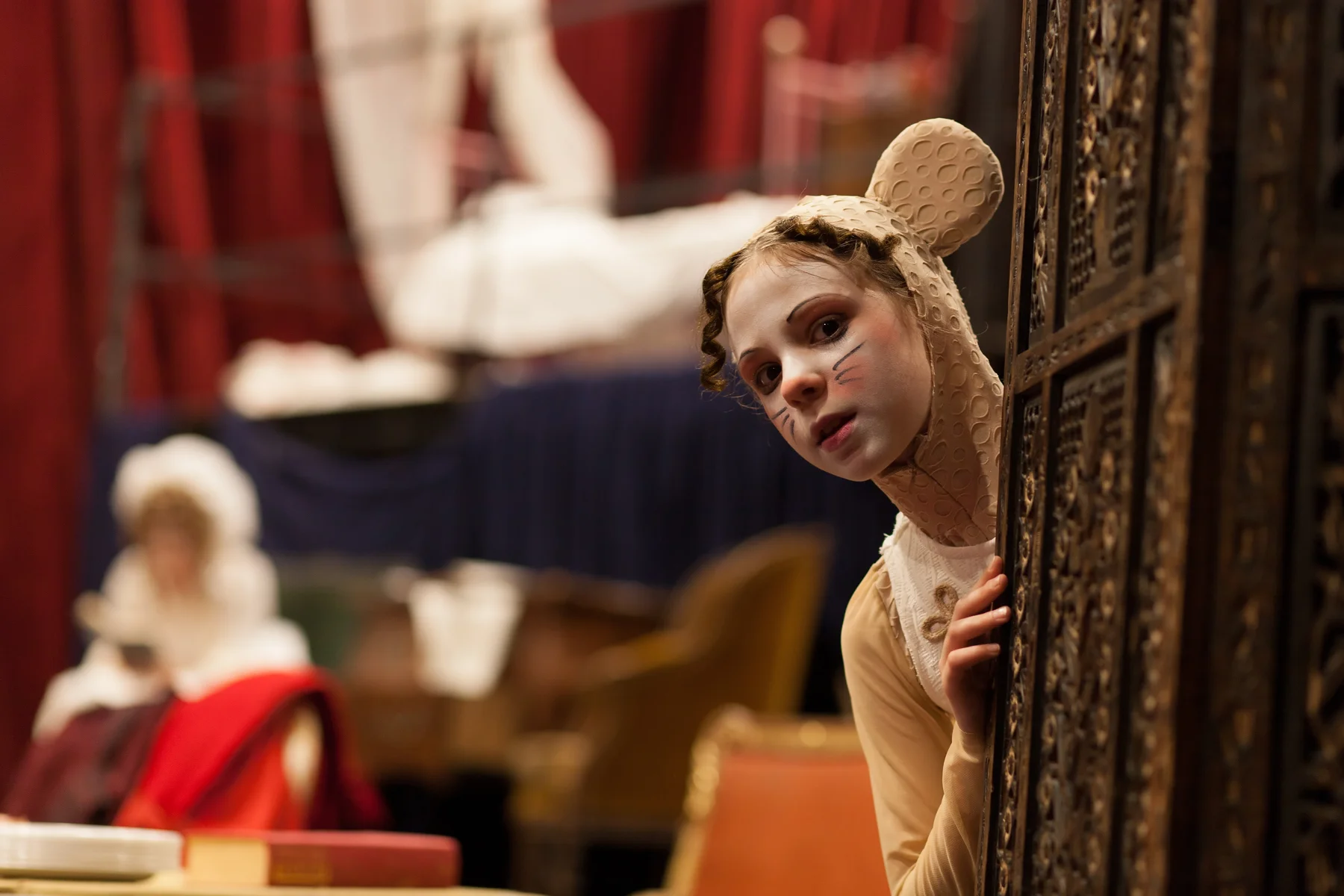
Children and young people are more than participants in a production. Their safety, development and mental health need reliable structures. DramaCare supports theatres, opera houses and arts productions with professional safeguarding planning, from role and scene assessment through rehearsals and performances to an age-appropriate transition out of the role.
The child’s perspective matters.
A structured questionnaire covers the role, content, rehearsal and performance conditions, and potential pressures. Filming conditions are also considered for recorded inserts. Professional assessment helps prioritise appropriate safeguards.
We look beyond the child’s own performance: what do they see and hear in rehearsal, backstage or during recorded inserts? Age-appropriate explanations, preparation and effective stop signals are agreed with directors, dramaturgs and theatre educators.
Clarify support contacts, breaks, quiet spaces, reporting and complaints routes for the production. Consider last-minute changes, proximity, distance and power dynamics. Processes should be understandable for young participants.
We agree expectations and communication routes with production leads, parents and chaperones. Supporting adults develop awareness of stress reactions and overwhelm. The child’s perspective, needs and boundaries remain central.
Psychological support for young performers can be arranged for sensitive material, including filming days for recorded inserts. Scope, contact routes and coordination with chaperones are agreed in advance. The MHC also provides an external trusted contact for children and parents.
Movement, deliberate transitions and space for questions support closure after role work. Reflection and opportunities to unwind are adapted to age, situation and individual needs.
Screening
Structured questionnaire
Assessment
Professional assessment
Consultation
A joint consultation
Documentation
Written recommendations
Different roles.
Relevant support.
What this role involves
Emotional role work, exposure, physical demands and performance pressure.
How we support you
Confidential conversations, stress management, de-roling and emotional stabilisation.
What this role involves
Tight schedules, complex logistics and many points of coordination backstage.
How we support you
Stress management, clear communication and constructive conflict resolution.
What this role involves
Responsibility, decision pressure, hierarchies and the balance between artistic and organisational demands.
How we support you
Coaching, reflective supervision, role clarity and communication with an awareness of power structures.
What this role involves
Age-appropriate participation, reliable boundaries and responsible adult support.
How we support you
Safeguarding plans, de-roling, accessible communication and trained accompanying adults.
Workshops for theatre,
dance and culture.
Practical formats for performers, technical teams, leaders and theatre educators, including international teams. Content is developed with your organisation around real rehearsal and performance situations. Available on site throughout Germany or online where the format allows.

Proximity and distance
Touch, personal boundaries and professional relationships in theatre, dance and culture.
Who is it for?
Performers, dance companies, directors, choreographers and artistic leaders.
What will you take away?
Reflect on expectations around touch, agree consent and stop signals, and consider day-to-day changes in capacity. Exercises help people express needs and consider cultural backgrounds and power differences.
Enquire about this workshopLeadership in theatre and culture
Lead with care, take responsibility and use power thoughtfully.
Who is it for?
Executive and artistic directors, directors, choreographers and team leaders.
What will you take away?
Reflect on leadership impact, consider team mental health and communicate clearly under pressure. Explore expectations, feedback, professional boundaries and responsible use of hierarchy.
Enquire about this workshopSupporting and safeguarding children and young people in the arts
Age-appropriate communication, personal boundaries and demanding rehearsals and performances.
Who is it for?
Directors, theatre educators, chaperones and production leads.
What will you take away?
Recognise needs and signs of strain, enable participation and prepare sensitive scenes. Include breaks, quiet spaces, support contacts, working with parents and age-appropriate de-roling.
Enquire about this workshopManaging stress in the performing arts
Working with rehearsal stress, time pressure and high expectations.
Who is it for?
Performers, technical teams, production staff, administration and leaders.
What will you take away?
Recognise personal signs of stress and practise regulation techniques. Consider workflows, breaks and team agreements so that support also addresses the working environment.
Enquire about this workshopAddressing conflict within an ensemble
Raise tensions early and explore solutions together.
Who is it for?
Ensembles, creative teams and leaders.
What will you take away?
Recognise conflict dynamics, clarify perspectives and agree next steps. Distinguish tensions that may suit mediation from boundary violations that require safeguarding and appropriate reporting channels.
Enquire about this workshopCommunication and feedback in theatre
Address difficult topics, clarify expectations and give constructive feedback.
Who is it for?
Directors, performers, theatre educators and team leaders.
What will you take away?
Prepare conversations using real workplace situations: distinguish observations from judgements, express concerns clearly and respond thoughtfully to emotional reactions.
Enquire about this workshopPsychological safety in the ensemble
Support a working culture where people can raise questions, mistakes and boundaries.
Who is it for?
Performers, creative and technical teams, and leaders.
What will you take away?
Identify barriers to speaking up and develop practical team agreements. Connect mental health, trust and awareness with everyday rehearsal practice.
Enquire about this workshopSelf-care and burnout prevention
Recognise personal limits and make room for recovery in artistic working life.
Who is it for?
Performers, freelance artists and staff across the performing arts.
What will you take away?
Explore strain and recovery, take warning signs seriously and identify personal options. Awareness and boundary-setting exercises are combined with attention to structural demands.
Enquire about this workshopEmotionally demanding roles and scenes
Working with intense emotions, sensitive content and personally resonant material.
Who is it for?
Actors, performers, directors and dramaturgs.
What will you take away?
Discuss personal boundaries and support needs, prepare intense scenes and plan breaks and reflection. Artistic decisions remain with the creative team.
Enquire about this workshopDe-roling: from the role back to everyday life
Practical methods for a deliberate transition after rehearsals and performances.
Who is it for?
Actors, dancers, singers and other performers.
What will you take away?
Explore physical and mental transitions, reflect on role work and develop suitable closing rituals. Methods are adapted to the individual and the artistic process.
Enquire about this workshopPortraying mental illness on stage
Develop nuanced characters and question stereotypical portrayals.
Who is it for?
Actors, directors, dramaturgs and writers.
What will you take away?
Connect psychological context with character development, reflect on language and stereotypes, and discuss dramaturgical choices. Mental illness is considered within the character as a whole.
Enquire about this workshopRecognising bullying, discrimination and boundary violations
Clarify options, responsibilities and support channels in the performing arts.
Who is it for?
All staff, teams and leaders.
What will you take away?
Explore examples of concerning situations, support people affected and identify clear points of contact. Connect prevention and safeguarding with the organisation’s existing structures.
Enquire about this workshopResponding to mental health crises in a team
Raise concerns, offer initial guidance and involve professional support.
Who is it for?
Leaders, performers, chaperones and production leads.
What will you take away?
Clarify the scope and limits of your role, practise conversations and organise support. Include reflection after difficult events and care for those providing support.
Enquire about this workshopPeer consultation and reflective supervision in the arts
Reflect on experiences and explore new ways forward together.
Who is it for?
Ensembles, professional groups and leadership teams.
What will you take away?
Explore structured case discussions and peer exchange. Reflect on roles, collaboration and demanding experiences within an agreed confidential setting.
Enquire about this workshopTraining for support contacts and trusted contacts
Clarify roles, communication, boundaries and referral routes.
Who is it for?
Designated internal contacts and those responsible for support pathways.
What will you take away?
Receive concerns, clarify the limits of your remit and identify appropriate next steps. Distinguish confidential guidance from formal complaints procedures. DramaCare’s external trusted-contact function remains part of Mental Health Coordination.
Enquire about this workshopInternational teams in the performing arts
Communication, cultural backgrounds and collaboration in diverse ensembles.
Who is it for?
International ensembles and dance companies, artistic leaders, directors and production leads.
What will you take away?
Reflect on different expectations around feedback, hierarchy, proximity and distance. Together, develop clear agreements, address potential misunderstandings and strengthen collaboration across language and cultural differences. Workshop language and arrangements are agreed in advance.
Enquire about this workshopWhat support can look like.
Illustrative journey · tailored to each production
Reviewing pressures, resources and sensitive content together.
Clarifying expectations, contact arrangements and responsibilities.
Building considered breaks and transitions into the rehearsal process.
Integrating a reliable point of contact into everyday working life.
Making room for discussion and identifying appropriate next steps.
Capturing insights and carrying them into future productions.
Mental health is an ongoing process.
Reflect
What worked? Where did strain emerge? Confidential feedback and closing conversations make room for honest reflection.
Develop
Reviewing measures, improving structures and carrying insights into future productions.
Embed
Embedding check-ins, reflective supervision and training in everyday practice. Trained in-house contacts can strengthen organisational capability.
Mental health is also
an organisational responsibility.
DramaCare supports theatres, opera houses and cultural institutions in putting appropriate measures and structures into practice.
DramaCare supports the practical implementation of appropriate measures and structures. This service does not replace individual legal advice.
Risk assessment also considers psychological demands at work. DramaCare supports analysis and appropriate measures.
View sourceWorking hours, breaks and rest periods are part of responsible work organisation. DramaCare considers these structural conditions in its support.
View sourceProtection against discrimination needs understandable rules and clear responsibilities. DramaCare supports appropriate prevention and communication structures.
View sourceThe accident insurance institutions’ regulations address accident prevention and occupational health. We help integrate appropriate measures into everyday practice.
View sourceWhen employing children in theatre or music performances, the requirements for an official exception under section 6 of the German Youth Employment Protection Act should be clarified early. Required authorisation must be in place before work begins. The organisation clarifies the specific case with the competent authority; DramaCare supports professional safeguarding planning.
View sourceDocumentation
Recording measures and progress transparently, with reports for internal review as agreed.
Evaluation
Reviewing the usefulness and fit of measures together and identifying adjustments.
Organisational development
Embedding care, internal expertise and established practices in guidelines and daily routines.
Your + with
DramaCare.
Good working conditions are part of professional arts practice. Together, we focus our support on what your organisation actually needs.
Clear roles and contact arrangements can make coordination easier and reduce friction.
Early support can help reduce overload and the absence or delays associated with it.
A stable, respectful environment supports concentration, exchange and artistic work. Clear communication and dependable structures create space for ideas and shared development.
Confidential support and appropriate relief make room for individual needs.
Discussing boundaries, addressing conflict and sharing responsibility.
Safeguards, clear responsibilities and transparent processes support responsible practice.
A visible, credible commitment to care can strengthen trust in an organisation.
Retaining insights and developing mental health capability beyond individual productions.
How the factors connect
Psychological safety
Concerns can be raised earlier.
Clear collaboration
Roles, boundaries and support routes become clearer.
Creativity
Ideas have a dependable space to develop.
Performance
Focus and the capacity to act are supported.
Professional expertise.
One coordinated service.
DramaCare GmbH specialises in Mental Health Coordination and psychological support for film, television, media and the arts. Led by Heike Dzaack-Crostewitz, DramaCare combines psychological expertise with an understanding of creative working processes.
Our team brings together knowledge of psychology, psychotherapy, trauma work, stress management and crisis intervention. We support theatres, opera houses, dance companies and cultural institutions throughout Germany, on site and online, tailored to your organisation and production.
One central point of contact
Your organisation has a point of contact for coordinating the agreed services. Together, we clarify needs, measures, responsibilities and timing.
A coordinated approach
Needs and risk assessments, workshops, leadership support, individual guidance, MHC, the Mental Support Hotline and follow-up can be coordinated.
Tailored to your organisation
Team structure, performance schedules, sensitive content and existing resources shape the requirements. Individual formats and support across several production phases are available.
Support for everyone involved
Performers, directors, dramaturgs, technical staff, administration and leaders can access support. Those in leadership also need space to reflect on responsibility and difficult situations.
Independent and confidential
Mental Health Coordination provides professional support outside internal hierarchies. Organisational coordination with the institution is clearly separated from the confidentiality of personal conversations.
From planning to follow-up
Prevention, rehearsal and performance support, and follow-up are connected. The trusted contact is part of Mental Health Coordination throughout.
From initial planning to follow-up: one point of contact for a coordinated professional service.
Every organisation has different needs: ensemble size, rehearsal and performance schedules, sensitive content, working conditions and existing support structures vary. Requirements may also change during a production.
We therefore do not publish fixed package prices. Services are put together to match your organisation’s actual requirements.
An initial conversation helps identify useful support. You then receive an individual, transparently priced proposal with a clear description of services, timing and fees.
Whether you need a preparatory workshop, targeted consultation or support over several production phases, scope and costs are agreed before commissioning. On-site support, online formats, any travel and accommodation costs, and later additions are agreed in advance.

Heike Dzaack-Crostewitz
Managing Director · Certified Mental Health Coordinator
Heike Dzaack-Crostewitz brings over 15 years of experience working with people in emotionally challenging situations to a clear purpose: making mental health an integral part of arts practice.
Expertise
Psychotherapy, trauma therapy, crisis intervention and stress management underpin her work.
Mental Health Coordination
As DramaCare’s founder and managing director, she and her team support people, productions and institutions.
Industry development
The first certified Mental Health Coordinator in Europe and a board member of the international Association of Mental Health Coordinators.
Frequently asked questions.
A Mental Health Coordinator supports people and working processes in theatre, opera and dance with psychological expertise. DramaCare brings together prevention, support during rehearsals and performances, and aftercare. The trusted-contact function is part of this Mental Health Coordination.
A trusted contact in theatre is an independent, confidential point of contact for performers, technical staff, administration and leaders. At DramaCare, the Mental Health Coordinator fulfils this function within Mental Health Coordination, listening, helping make sense of concerns and discussing possible next steps.
At DramaCare, the trusted-contact function is part of Mental Health Coordination. MHC also includes prevention, rehearsal and performance support, workshops, support for sensitive material and follow-up within a coordinated professional framework.
Within MHC, DramaCare provides an external, professionally independent contact outside internal hierarchies. The remit, contact routes, availability and limits of confidentiality are agreed transparently in advance.
No. Confidential support and formal complaints procedures are separate processes. A conversation initially provides space for guidance. The remit, possible options and limits of confidentiality are clarified transparently.
Concerns, safeguarding needs and possible next steps are first discussed confidentially. Safeguarding and guidance take priority. Boundary violations are not automatically treated as a conflict between equal parties; formal complaints follow a separate process.
As early as possible, ideally before rehearsals begin. Early involvement is particularly useful for sensitive material, demanding roles, children and young people, international ensembles or anticipated high pressure. Support during an ongoing production can also be discussed.
DramaCare supports preparation for sensitive scenes, clarification of personal boundaries and responses to emotional demands. Breaks, reflection and de-roling can form part of the agreed support. Artistic decisions remain with the creative team.
De-roling is the deliberate transition from a role back to everyday life. Physical and mental exercises and closing rituals suited to the individual can support this transition after rehearsals or performances.
A structured questionnaire covers the role, content, rehearsal and performance conditions and potential pressures. Professional assessment, consultation and written recommendations follow, helping clarify safeguards and further support needs early.
Topics include proximity and distance, leadership, international teams, stress management, conflict, feedback, psychological safety, demanding roles and de-roling. Supporting and safeguarding children and young people is another focus. Content and scope are tailored to your organisation.
The workshop is for directors, theatre educators, chaperones and production leads. It covers age-appropriate communication, boundaries, sensitive scenes, breaks, support contacts, working with parents and age-appropriate ways of leaving a role behind.
No. Mental Health Coordination provides work-related prevention, guidance and support. Referral to appropriate professional services can be discussed when further support is needed.
Yes. DramaCare supports theatres, opera houses, dance companies, independent productions and cultural institutions throughout Germany. On-site visits and online support are arranged around venues, rehearsal phases and team requirements.
Yes. International ensembles and dance companies can receive support with communication, collaboration and differing expectations. Language, cultural backgrounds, proximity, distance and hierarchy are considered. Working language and scope are agreed in advance.
Yes. Individual workshops, coaching, reflective supervision or targeted consultation can be arranged according to need. DramaCare’s external trusted contact is always part of Mental Health Coordination.
Costs depend on scope, duration, team size, preparation and the agreed format. An initial conversation is followed by a transparently priced proposal. Fees, any travel and accommodation costs, and additions are agreed before commissioning.
Yes. On-site visits can be combined with online conversations, reflective supervision or other agreed support formats. The combination depends on your concerns, rehearsal schedule and participants’ needs.
Tell us about your project, the teams involved, timing and potential challenges. Together, we clarify needs, suitable services and contact arrangements. You then receive an individual proposal with a clearly defined scope.
Let’s talk about
your organisation.
Your ensemble. Your production. Your actual needs. We support theatre, opera, dance and the arts throughout Germany. Every collaboration begins with a personal conversation about the people and working conditions involved.
 DramaCare GmbH
Ehrensteinstraße 24
04105 Leipzig
Germany